Showing posts with label Arizona. Show all posts

Thursday, January 16, 2014

Visit Grand Canyon National Park during its "slow" season

By Becky Beaman, Interpretive Support Assistant, Grand Canyon National Park

Colder temperatures, shorter days and snow bring a slower pace to one of the nation's most visited national parks - Grand Canyon National Park in Arizona. Winter visitors find paths less traveled throughout the park. Those prepared for ice and snow will find the Bright Angel Trail a bit quieter and scenic drives less congested.

(NPS photo)
Dramatic winter storms, bringing several inches of snow, are contrasted with sunny days, perfect for walking along the rim or into the canyon. Crisp air and a dusting of snow bring a new perspective to the temples and buttes emerging from the canyon floor and provide a perfect backdrop to view the canyon's flora and fauna.

Mule deer traipsing through fresh snow and bald eagles soaring above the canyon rims are just some of the wildlife spotted during winter. Many animals slow down for the winter and are seen less frequently, but there is still a chance to see elk, California condors, ravens, and Abert's squirrels along the rim and in nearby ponderosa pine forests.

(NPS photo)
Most animals in the park have developed some sort of adaptation to the cold weather. Rock squirrels, frequently seen along the rim during summer months, spend the fall caching food and preparing for the cold winter. Although they spend much of the winter in their burrows, they can be spotted along the rim during warmer days. Mule deer and elk grow thick winter coats to deal with the low temperatures and the Abert's and Kaibab tree squirrels grow fur tassels on their ears to keep out the cold.

Just like the animals who make their home at Grand Canyon, visitors should slow down and bundle up. Winter is a perfect time to enjoy a warm beverage along the rim, or view the canyon from inside the Yavapai Geology Museum, where panoramic windows provide crisp views from inside a warm building.

(NPS photo)
The South Rim of the park is open year round, and roads are drivable except in inclement weather. Weather changes quickly at Grand Canyon, and so does visibility. Planning a visit for multiple days allows visitors to experience some of these changes, and provides a good chance for a great view of the canyon.

Winter solitude blankets the North Rim of Grand Canyon, which is closed to vehicle traffic during the winter. Hikers prepared for a multiday canyon adventure can walk from the South Rim to the North Rim for a winter camping experience in one of the most inaccessible locations in the country.

Locations inside the canyon, like the Phantom Ranch lodging facility and Bright Angel Campground, offer mild temperatures in winter, and back-country permits may be more easily obtained during the winter months than during peak hiking seasons.

A trip to Grand Canyon can be a great winter getaway, especially with careful planning. The Grand Canyon Trip Planner is a great place to start. (For Trip Planner, click on link below then click on Trip Planner link.)

Pack your jacket and winter gloves, avoid the crowds, and come experience a Grand Canyon winter wonderland! Get more information here.
Monday, March 26, 2012

Organ Pipe National Monument: A spring treasure

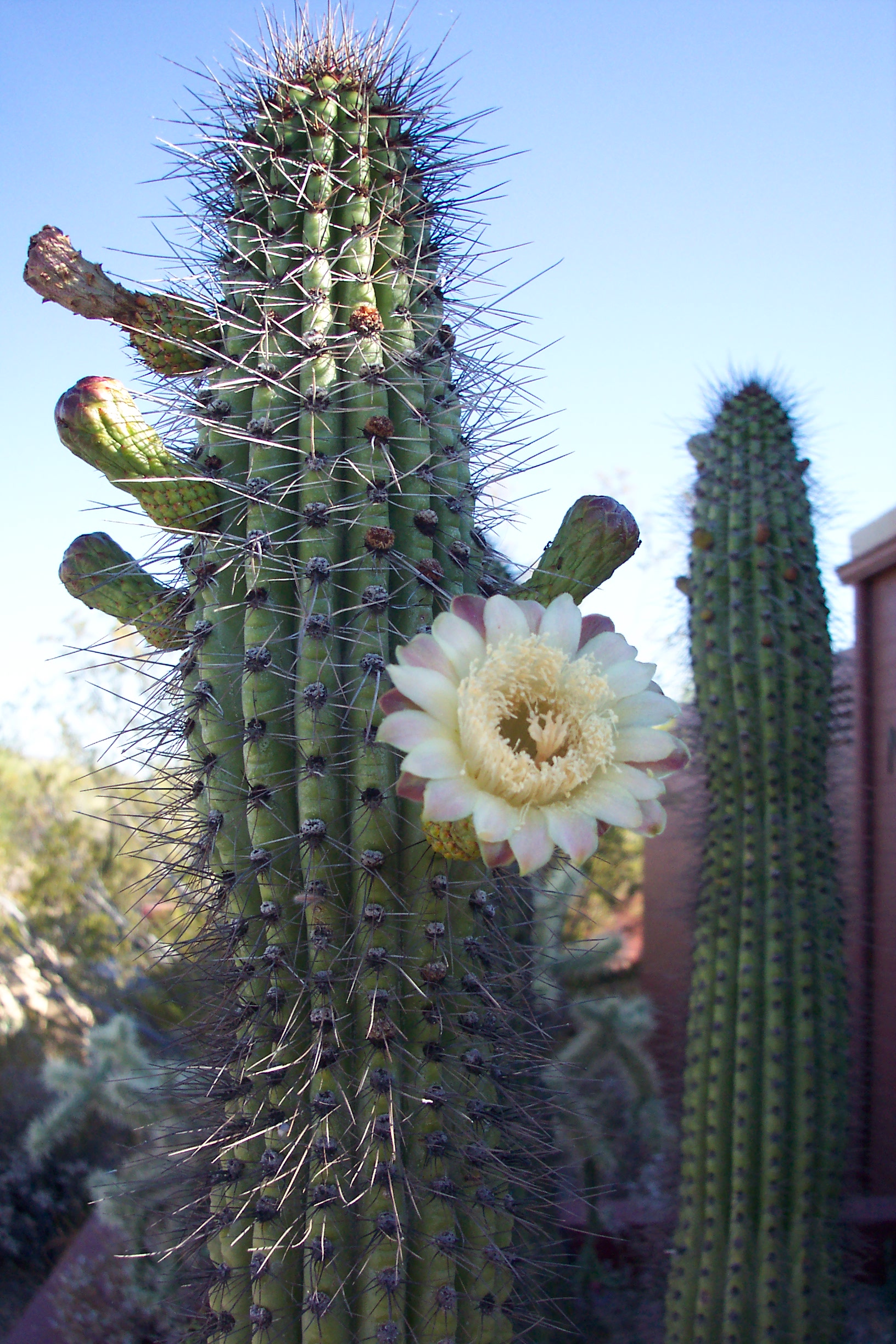
In early spring, when most of the country is recovering from winter frosts, life flourishes in the Sonoran Desert. Daytime temperatures at Organ Pipe Cactus National Monument range from 72 in March to 88 in May. A day without sunshine is almost unknown. After soothing showers, bright golden swaths of wildflowers cover many of the lower mountain slopes. The slightest breeze sets them dancing in time with the music of the organ pipes. Overhead, golden eagles and hawks slip and slide on the wind to set the aria with a visual crescendo.

At night, the Sonoran Desert sky is like a sea of stars. When the moon is in view, if only a quarter phase, no other light is needed for an evening stroll. During times like these it's easy to lean back, watch the sky from horizon to horizon and contemplate our human insignificance in the vast universe.

At the Kris Eggle Visitor Center visitors admiring new museum exhibits can explore the ways of the Sonoran Desert. The free van tour of the 21-mile Ajo Mountain Loop is ranger-guided and immerses visitors in the desert landscape. Many are awed by the thousands of Organ Pipe, Saguaro, Cholla, and other cactuses that march into the distance in every direction.

A day hike on the Estes Canyon-Bull Pasture Trail is an up close and personal experience with the desert. It takes the visitor back in time. From the overlook at trail's end, the view to the western horizon is a classic southwestern landscape; rugged mountains and a basin studded with the iconic Saguaro cactus. In the far distance, a rugged historic path known as El Camino del Diablo--or The Devil's Highway--leads toward Yuma. To the east are the higher Ajo Mountain peaks and Bull Pasture where some of Pancho Villa’s supporters hid out while the U.S. Army was hunting them farther south in Mexico.

The largest maternal colony of Lesser Long-Nosed Bats in North America makes its summer home in an abandoned mine on the monument. Thousands of females give birth and suckle their young through the first part of life. After the cactus flowers are gone and their fruit depleted, the colony will migrate east beyond Tucson and then south to Mexico for the winter.

Minnow-sized Sonoran Desert Pupfish swim in two small ponds next to the visitor center patio. School children from the town of Ajo, Arizona helped build these ponds as a way to preserve this endangered species, in an additional setting near their natural habitat at Quitobaquito, a historic spring and Oasis in the monument. Another endangered species, the Sonoran Pronghorn, is being reintroduced onto suitable habitat within the monument to increase the species’ chances for survival.

Organ Pipe Cactus National Monument provides opportunities for adventure and solitude within unmatched scenery. If you visit with an open heart, you may find that the Sonoran Desert inspires you to dream your own dreams and make your own memories.

source: National Park Service news release

Wednesday, November 3, 2010

Glen Canyon may be your fall "stopover" ticket

As winter moves, so do the snowbirds. The cold, Arctic blasts seems to send a precursor signal to those RVers in the north, and they begin their annual migration toward the south before the snow flies. Many turn their GPS pointers to Arizona, where the winter sun keeps frosts at bay.

If a southern route is in your plan, a 'drop in along the way' to the Glen Canyon National Recreation Area may be just the ticket for some new eye-openers. Glen Canyon encompasses thousands of desert acres (1,254,429 to be precise), but don't imagine for a moment that all those acres are vast tracts of sparsely vegetated soil. The Colorado River flows through the canyon in wet abundance, making this a popular destination for boaters, fisherfolks, and others who love the lap of water. The backup of river water has created Lake Powell, a huge recreational oasis. Think classy houseboats and water skiing.

But Glen Canyon's popularity peaks in summer; as winter rolls around the crowds depart. This could be attributed to the high desert nature of the area--it does tend to get cold. Come December and January, the freeze point will often be seen. But November--ah November. Warm days (60s and 70s not uncommon) and cool, crisp nights can be just the right amount of cold for the snowbird--a reminder of what they're leaving behind without the associated pain of the snow shovel or heating bill.

Where's to stay in Glen Canyon? If you like up-ticked, complete with restaurants, boat rentals, and 50 amp electric service, the Park Service has farmed out several popular campgrounds to the auspices of commercial vendors. You can find out more about these at the Lake Powell Resorts and Marinas web site. Golfers will find the Glen Canyon Country Club near Page, Arizona may suit them to a tee (time).

For RVers with a liking that shifts more to quiet and boondocking, then Lee's Ferry Campground, operated by the Park Service is the place we call home on our southern sojourn. Up on a bluff overlooking the Colorado, the campground offers no electrical hookups, but is one of the most beautiful stretches of the river in the area. Not far upriver from the campground is a put-in spot for folks doing float trips down the river and on into the Grand Canyon. If you're into fishing, there's plenty of action within walking distance of the campground.

You'll find a lot more on this huge recreational draw on the Park Service website dedicated to Glen Canyon. But don't wait too long--winter will definitely arrive, and snowbird may find the cold then way too much like home.